
Moving to Kelowna or West Kelowna in 2026: The Complete Relocation Guide for Home Buyers
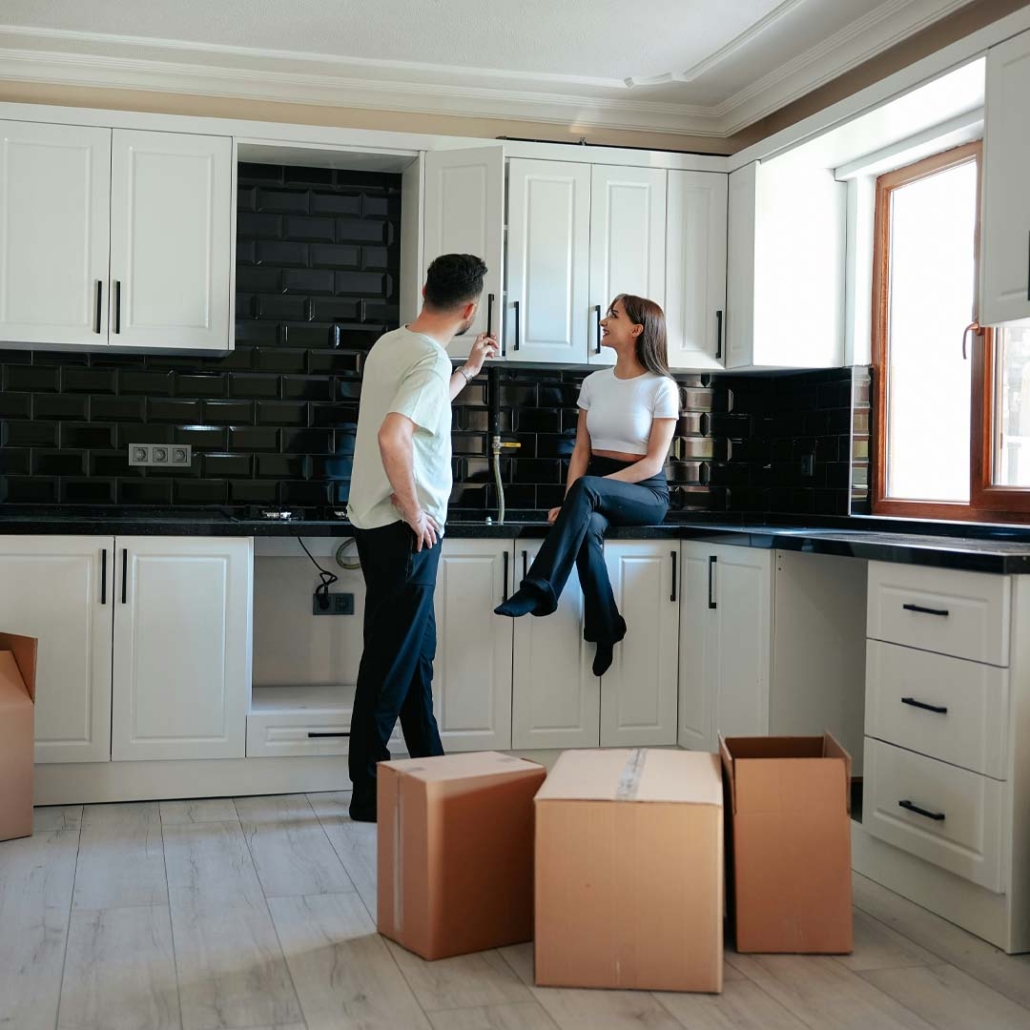
Relocating to Kelowna or West Kelowna is a major lifestyle decision. For many buyers moving from Alberta, Ontario, or out of province, the challenge isn’t deciding if they want to move here, it’s understanding where to live and how to buy confidently from a distance.
This guide breaks down what you need to know about buying a home in the Central Okanagan, including lifestyle differences between Kelowna and West Kelowna, real costs, and how remote buyers successfully purchase here every year.
Why Buyers Are Moving to Kelowna and West Kelowna
Kelowna and West Kelowna continue to attract relocation buyers for a few consistent reasons:
- Four-season lifestyle with strong outdoor access
- Work-from-home flexibility increasing demand for lifestyle locations
- Strong retirement and downsizing market
- Family-focused communities with good schools
- Lake access, wineries, and recreation
- Long-term real estate demand driven by limited land supply
Most buyers are choosing a lifestyle shift.
Kelowna vs West Kelowna: What’s the Difference?
One of the first decisions relocation buyers need to make is where they want to be located across the lake.
Kelowna (East Side / Central Okanagan)
Kelowna tends to appeal to buyers who want:
- Proximity to downtown, hospital, and airport
- More walkable or urban-style living options
- Established neighbourhoods like Glenmore and Upper Mission
- Easy access to schools, services, and amenities
- A mix of condos, townhomes, and detached homes
Kelowna is often preferred by professionals, families, and buyers who want convenience and connectivity.
West Kelowna
West Kelowna typically attracts buyers looking for:
- More space and value for price point
- Lake views and hillside properties
- Quieter residential areas
- Winery lifestyle and outdoor access
- Faster-growing new developments and subdivisions
West Kelowna often appeals to buyers prioritizing views, space, and a slightly more relaxed pace.
What It Actually Costs to Live in Kelowna or West Kelowna
Beyond the purchase price, relocation buyers should understand the ongoing cost structure:
Property Taxes
Taxes vary depending on municipality, property value, and home type. Kelowna and West Kelowna differ slightly, so location matters.
Utilities
Heating and cooling costs vary depending on:
- home age and insulation
- elevation (especially hillside homes)
- square footage
- system type (gas, electric, heat pump)
Insurance
Insurance premiums can be influenced by:
- wildfire exposure zones
- proximity to fire services
- home construction type
- claims history
Strata Fees (Condos & Townhomes)
Strata properties vary widely. Some are minimal, while others include significant amenities and maintenance reserves. Reviewing strata documents is critical before purchase.
How Buying Works When You’re Not in Kelowna
Most relocation buyers do not need to be here full-time during the search process. A structured approach makes remote buying very efficient.
Step 1: Strategy Call
We identify your lifestyle priorities, timeline, and ideal neighbourhood type.
Step 2: Curated Shortlist
Instead of browsing hundreds of listings, you receive a focused selection based on real fit — not just filters.
Step 3: Immersive Tours
Homes are previewed through immersive walkthroughs so you can understand layout, flow, and feel before committing to travel.
Step 4: In-Person Viewing (If Needed)
Most buyers only travel once they’ve narrowed down serious contenders.
Step 5: Offer + Conditions
Includes financing, inspection, and property review (including strata documents if applicable).
Step 6: Closing
Local legal professionals complete the transaction, often without requiring multiple trips.
The Biggest Mistakes Out-of-Town Buyers Make
Relocation buyers often run into avoidable issues, including:
1. Buying Based on Photos Alone
Photos don’t show:
- noise levels
- driveway steepness
- layout flow
- sun exposure
- actual space perception
2. Choosing the Wrong Area for Lifestyle
A great home in the wrong location can quickly feel inconvenient.
3. Underestimating Hillside Living
In Kelowna and West Kelowna, elevation can affect:
- winter driving
- views vs convenience
- snow removal
- access to amenities
4. Ignoring Strata Documents
For condos and townhomes, documents can reveal:
- upcoming assessments
- reserve fund health
- rental restrictions
- maintenance risks
Why Immersive Listings Matter
For relocation buyers, immersive tours are the difference between guessing and understanding.
They allow you to:
- experience layout and flow accurately
- eliminate unsuitable homes faster
- reduce unnecessary travel
- make confident decisions remotely
For sellers, this means more qualified buyers who already understand the home before stepping inside.
Thinking About Moving to Kelowna or West Kelowna?
If you’re considering a move to the Central Okanagan, the best results come from starting with lifestyle first, then narrowing down neighbourhoods and homes that match your goals.
I help relocation buyers build a clear shortlist and walk through properties remotely using immersive tours before they ever travel to the area. Get in touch with me now to learn more and schedule an interview!
Frequently Asked Questions
Can I buy a home in Kelowna or West Kelowna without visiting in person?
Yes. Many buyers purchase remotely using immersive tours, video walkthroughs, inspections, and legal support. Most only visit once before finalizing or taking possession.
Is Kelowna or West Kelowna better for families?
Both can work well depending on lifestyle. Kelowna offers more central access and established neighbourhoods, while West Kelowna often provides more space and newer developments.
What are the most popular neighbourhoods in Kelowna?
Popular areas include Glenmore, Lower Mission, Upper Mission, and downtown-adjacent neighbourhoods, depending on lifestyle preferences.
What are the most popular neighbourhoods in West Kelowna?
Common areas include Shannon Lake, Westbank Centre, Lakeview Heights, and newer hillside developments with lake views.
Is the Kelowna real estate market still competitive?
Yes. Demand continues to be driven by relocation buyers, limited land supply, and lifestyle migration trends into the Okanagan region.
How long does it take to buy a home in Kelowna?
Most transactions take 30–90 days from accepted offer to completion, depending on conditions and financing.









Leave a Reply
Want to join the discussion?Feel free to contribute!